
Erosion Control Blankets — A Helpful Illustrated Guide
How ECBs establish vegetation, what they’re made of, how to install them, and how to keep them working — the complete guide.
Erosion control blankets (ECBs), also called soil erosion control mats, are used on both residential and commercial properties to prevent topsoil from shifting, save the roots, and promote long-term growth. These materials typically include a mixture of natural fibers and synthetic erosion control netting. A huge number of landscapes in erosion-prone areas use some sort of erosion control blanket or fabric — they’re affordable, useful, and easy to install.
Erosion control blankets encourage strong vegetative growth on hillsides by providing a structured matrix for grass seed to take root. The established grass root system acts as a stabilizer for embankment soil. These blankets last between 3 months to 3 years and naturally degrade over time, leaving only grass behind.
Throughout this guide you’ll also learn:
- Should the erosion control mat be removed once the desired vegetation is established?
- Help knowing if you should install one in your project
- Comparisons between erosion blankets and hydroseeding or straw
- Maintenance tips to correctly install and preserve your erosion blanket
Once Vegetation Is Established, Should I Remove the Mat?
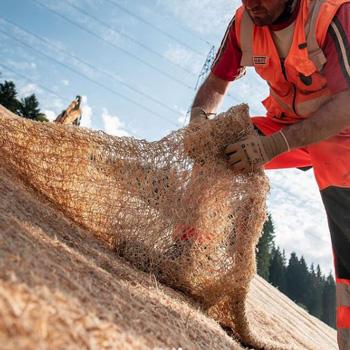
Erosion control blankets have many benefits. Removing them might seem like a good idea once the roots are established, but there are many reasons you shouldn’t. Getting rid of it too early can ruin everything you’ve worked for, rendering the process useless.
Do Not Remove the Blanket
You don’t have to remove the erosion control blanket. As long as it’s not causing an obstruction (which it shouldn’t), there’s no reason to get rid of it. In fact, you can leave it in place for grass and other plants you intend to grow down the road.
Most Materials Decompose
The reason you can leave your mat in place is that most will degrade over time. Almost all ECBs are either photo-degradable (broken down by the sun’s UV rays) or biodegradable (broken down by bacteria and living organisms). Most degrade over a period of 3 months to 3 years depending on the blanket matrix and netting type. Proper installation promotes longevity, keeping the blanket effective for a long time.
Erosion Control Blanket or Hydroseeding?
Hydroseeding is one of the most popular forms of erosion control, and it’s visually appealing since you can watch the protection and growing process. So when it comes to erosion control blankets vs. hydroseeding, what’s better?
- Hydroseeding requires less labor. With the proper materials you just till the soil and spray the solution — some installations don’t require tilling, and the seed mixture is typically sprayed onto large hillsides via a pump truck.
- Hydroseeding combines everything in one solution. Every container has mulch, fertilizer, seeds, and everything else grass needs. It’s an all-in-one liquid, but longevity can vary — it works great for the first application, but you’ll have to apply fertilizer again later.
- Erosion control blankets are durable. Unlike hydroseeding, ECBs can be used on rainy, snowy days. Hydroseeding solutions can blow away in the wind, and heavy storms can alter their performance. Blankets remain intact in all but the most severe weather.
The bottom line: ECBs and hydroseeding are not mutually exclusive and can be used together to promote rapid vegetation growth and prevent hillside erosion. Both are effective — but for a long-term solution that lasts for years, either erosion blankets or a combination of both are optimal.
Erosion Control Blanket vs. Straw
Since erosion control blankets can be made of materials similar to straw, the difference can be confusing. Here are the three main differences between using an erosion control blanket and blown straw to control erosion.
Blown straw is loose; blankets are woven. People blow straw through a machine or toss it by hand. Erosion control blankets are stretched over the surface and pinned in place.
Straw decomposes faster than most blanket fibers. Straw can break down in under three months, while blankets typically last 3 months to 3 years — so you’ll reapply straw more often, making it more expensive in labor over time.
Straw is significantly less effective on slopes. An American Excelsior study shows straw blows around and falls downhill. Because ECBs are placed on the soil, they hold their place and maintain a stable surface for the roots.
How Do Erosion Control Blankets Work?
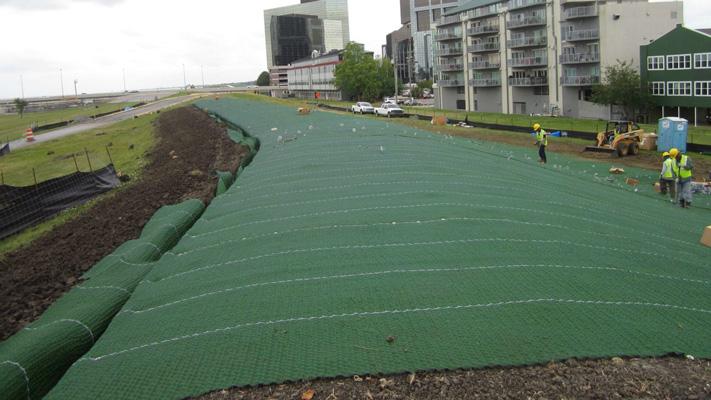
Erosion control blankets work by giving vegetation a stable place to grow while the seeds take root. As the vegetation establishes, the blankets simultaneously degrade — so over time you’re left with a naturally erosion-protected slope.
They Slow Water Movement
When water hits the material it slows down considerably. Rather than shifting seeds, plants, and roots, the water rolls to the edge and goes downhill. You can use them the same way on flat ground, too — water naturally erodes soil, but blankets slow its effectiveness, hydrating the ground and preventing damage.
They Hold Seeds in Place
Blankets secure seeds, roots, and stems instead of letting them shift around. Grass grows up through the dense fibers, staying vertically aligned. The reliability of a blanket is directly linked to its materials — dense blankets last several years, while low-end blankets are looser and less reliable.
Erosion Control Blanket Materials
Contrary to popular belief, erosion control blankets aren’t all made of the same materials — and the material affects the blanket’s usefulness. If you want something that lasts and prevents erosion, choosing the right material matters.


Straw
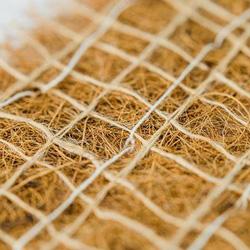
A common, widely available material. Loose straw is popular with farmers; woven into a blanket it’s lightweight, easy to install, and very effective.
Coconut Fiber
Biodegradable and durable. It doesn’t come unwoven until it settles into the ground and guides seedlings, and withstands wind, rain, and many weather patterns. Rising quickly in popularity.
Wood Excelsior
Thin wood shavings woven into a blanket. Not as dense as other materials, but it holds much more water — the basis of Curlex blankets.
Polypropylene
A top synthetic choice. Not biodegradable — but if you intend to grow grass long-term, that’s a pro. Extremely UV-resistant and much more durable than organic nets.
All materials must be woven into different patterns that affect their effectiveness. The key similarity: they all need to be porous enough to promote airflow, hydration, and growth. Without ventilation, seedlings can’t grow and water pushes the soil down, causing erosion. We carry East Coast Erosion (ECE) products across these material types.
Benefits of Erosion Control Blankets
- No more uneven soil. Water ripples through dirt, making it loose, rough, and cracked. Level the ground, add a blanket, spread seed, and it prevents further damage.
- Excellent for hilly regions. On a hill, rain pushes mud, rocks, weeds, and debris downhill. A blanket stops this by rolling water over the blanket rather than the soil — the reason you see them on highway hills and mountainous areas.
- They break down over time. No need to remove the blanket, so it’s a one-time process. With proper maintenance the blanket biodegrades — usually a couple of years — and stays non-invasive and out of sight.
- They regulate hydration and airflow. Plants get the right mix of oxygen and water. Add enough sunlight and you have the perfect trio; without a net, plants risk excessive hydration and flooding.
How to Install an Erosion Control Blanket
Below is a general-purpose installation overview. Always reference the manufacturer’s installation guide and any technical project specification for your particular application.
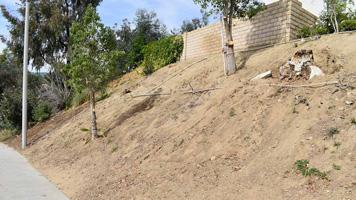


Get rid of debris — weeds, rocks, trash, and anything else in the way. Nothing can be underneath the blanket, so this step is the most crucial of all. Clear the whole area edge to edge.
Seed, fertilize, and compact the soil. After the debris is removed, seed the area and apply any required fertilizer. Ensure the area is compacted and ready to grow grass on a graded, uniform surface.
Place the top of the blanket in the trench, reaching about one foot beyond the edge. Staple it to the bottom of the trench, then again on the excess 18″ past the edge. Fill the trench with compacted dirt and pat it with a shovel so the blanket doesn’t move.
Roll the blanket downhill until it reaches the opposite edge. Overlap each net if using multiple — layers are far more effective than small gaps — then staple the blanket on the other end.

Installation Videos
Slope Installation
Channel Installation
Frequently Asked Questions
How long do erosion control blankets last?
Usually between three months and three years before they biodegrade. Some nets have a portion that lasts indefinitely — many buyers prefer this so they can keep growing grass and preventing erosion long-term.
Does the material matter?
Yes. Polypropylene blankets last much longer than other materials, while straw breaks down quickest. Neither is unanimously better — it depends on your purpose: a long-lasting blanket for 10+ years, or something that disappears on its own within three years.
Who should consider using them?
Agricultural land: Farmers and gardeners can protect plants with a blanket; straw erosion control is a typically lower-cost option for larger areas.
Homeowners: Residential owners benefit on hillsides and waterfronts — follow the install steps to encourage vegetation growth.
Highway DOTs: New construction and cleared land struggle with water erosion. Blankets hold dirt, grass, and plants to prevent washout and mudslides, and are common in flood-prone regions.
Maintenance & Care
Erosion control blankets are relatively self-maintaining — rainwater does most of the work, so you don’t need to clean or wash them. That said, a couple of tips will make your blanket last much longer.
- Don’t walk on the net until the roots and soil have settled. Seedlings can easily be dislodged, ruining or limiting effectiveness. Wait about two to four months before walking on it. If you don’t plant anything, you can walk on it right after installation.
- Don’t mow until the grass is established. Once you can mow, set the mower at least 2.5 inches above the ground so the blades don’t pull the net or seedlings. The same rule applies to weed whackers.
The Bottom Line
Now that you know the benefits, installation, and maintenance of erosion control blankets, you can be confident they’re a great solution for your project. A quick recap: ECBs typically last three months to three years, they complement and increase the effectiveness of hydroseeding, and they’re made of straw, wood excelsior, coconut fiber, and polypropylene.
Shop erosion control blankets by material and size, or use our product finder to match a blanket, TRM, or coir mat to your slope — free shipping on every order.